The 65+ Best Digital Products to Sell in 2026 (By Profit Potential & Effort)

We need to dispel that myth right now: Digital products aren’t “passive income that you set up in a weekend.” It takes real work. But here's what is true: once you build it, the margins are unbeatable. No inventory, no shipping, no customer service nightmares about damaged goods. Just you, your expertise, and unlimited scale.
The global e-learning market reached approximately $400 billion in 2025, and industry analysts project continued strong growth through 2027. People are paying for knowledge, templates, systems, and shortcuts. The question isn't whether you should sell digital products—it's which one matches your skill set.
This guide doesn't dump 65 random ideas on you. We've organized them by YOUR strengths, ranked them by profit potential and effort level, and given you the honest truth about what works in 2026.
About This Guide: This article is based on analysis of digital product trends, creator economics research, and platform fee structures as of January 2026. The pricing ranges and profit estimates come from publicly available marketplace data, creator communities, and platform documentation. We've tested multiple product types and platform combinations to provide realistic expectations rather than aspirational claims.
Quick Start: Which Product Should YOU Make?
Overwhelmed by options? Use this decision matrix:
- If you have 0-2 hours per week: Templates, printables, stock assets (low ongoing work)
- If you have 5-10 hours per week: E-books, mini-courses, one-time digital products
- If you can commit 20+ hours initially: Flagship courses, membership communities, cohort programs
- If you're a complete beginner: Start with templates or e-books in your area of expertise
- If you have an audience already: Courses or memberships (they'll buy from someone they trust)
- If you're starting from zero followers: SEO-friendly products (templates, guides) that sell via search
- If you want quick cash ($500-2K in 30 days): Templates, guides, swipe files ($27-$97 range)
- If you're building long-term ($5K-20K monthly in 6-12 months): Courses, cohorts, memberships
Now, let's dive into the options.
Phase 1: The "Big Three" (High Ticket / High Impact)
If you're serious about building a real digital product business, start here. These three categories are the top-selling segment with the highest prices and the most sustainable income.
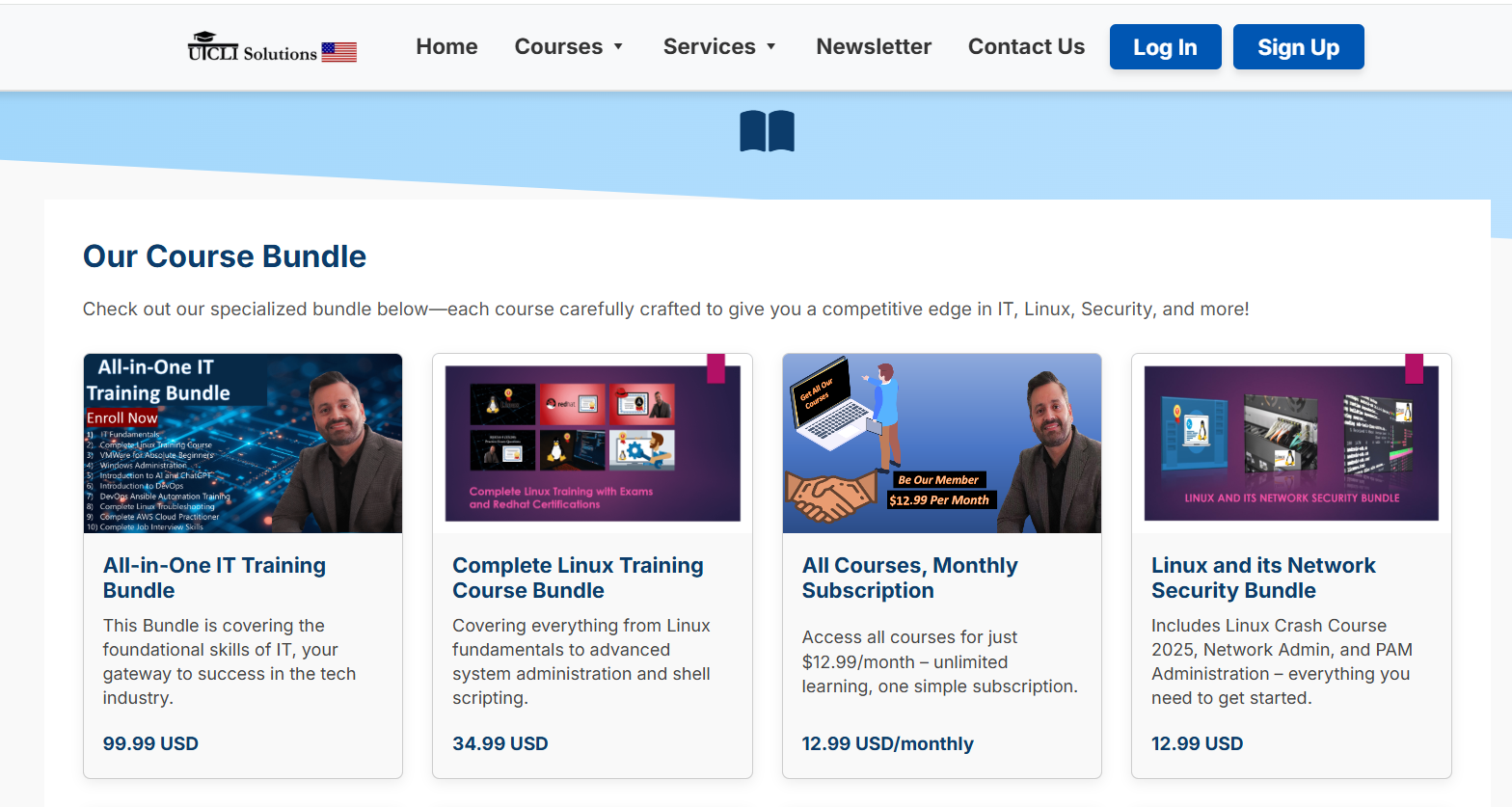
Online Courses: The Flagship Product
Online courses are the heavyweight champion of digital products. A well-executed course can sell for $497-$2,997 and generate six figures annually.
Two paths here:
Mini-Courses ($47-$197): These are 60-90 minute focused trainings on one specific outcome. "How to Write Cold Emails That Get Responses" or "Master Lightroom in One Weekend." They're faster to create and easier to sell, but you need volume.
Flagship Courses ($497-$2,997): Comprehensive transformations. "Zero to Freelance Designer in 90 Days" or "The Complete Guide to Retirement Investing." These take 4-8 weeks to build properly, but one sale pays your rent.
AI course creation tools have matured significantly. Platforms like FreshLearn, Teachable, and Kajabi now offer AI assistants that can generate course outlines, module structures, and quiz questions from your raw content. Many creators report this cutting creation time significantly, some by 40-60% or more. You still need to bring the expertise and personality, but the scaffolding gets built in hours, not weeks.
The honest con: Competition is fierce. You can't just teach "social media marketing" anymore. You need to niche down to "Instagram Reels for wedding photographers" or "LinkedIn for B2B SaaS founders." Specificity sells.
Cohort-Based Live Workshops: Where Premium Pricing Lives
This is where you charge $997-$5,000 for the same content that might be $297 as a self-paced course. Why? Live interaction, accountability, and community.
Cohort-based courses run for 4-6 weeks with live sessions, group coaching, and peer feedback. Students pay more because:
- They get direct access to YOU
- They're forced to complete (social pressure works)
- They build relationships with other students
Most course platforms now support cohort features—look for built-in live streaming, breakout rooms, and community tools. When evaluating platforms, pay close attention to transaction fees: some charge 20-30% per sale, while others use monthly flat fees or zero-commission models.
Reality check: You can't automate cohorts. You're trading time for premium pricing. But 20 students at $1,997 = $39,940 for six weeks of work. That math works.
Membership Communities: Selling Belonging, Not Just Content
Monthly recurring revenue is the holy grail. Memberships typically charge $29-$199/month for ongoing access to:
- Exclusive content library
- Weekly Q&A sessions
- Private community (Slack, Circle, or built-in)
- Templates, resources, and toolkits
The secret to memberships isn't content volume—it's identity. People don't join "a marketing community." They join "the community for ethical marketing nerds who hate hustle culture." You're selling belonging to a tribe.
When choosing a membership platform, compare total costs carefully. Some platforms charge monthly fees ($39-$399) plus transaction percentages, while others use flat monthly rates or commission-only models. Calculate your break-even point based on expected member count.
The catch: Retention is everything. Industry data suggests average monthly churn rates of 5-10% for paid communities. If 10% of members cancel monthly, you're on a treadmill. You need to provide consistent value and cultivate genuine community, or you're just running a newsletter with extra steps.
Phase 2: The "Smart" List (Categorized by Persona)
Now let's get into the specific products ranked by YOUR natural strengths.
Category A: For Writers
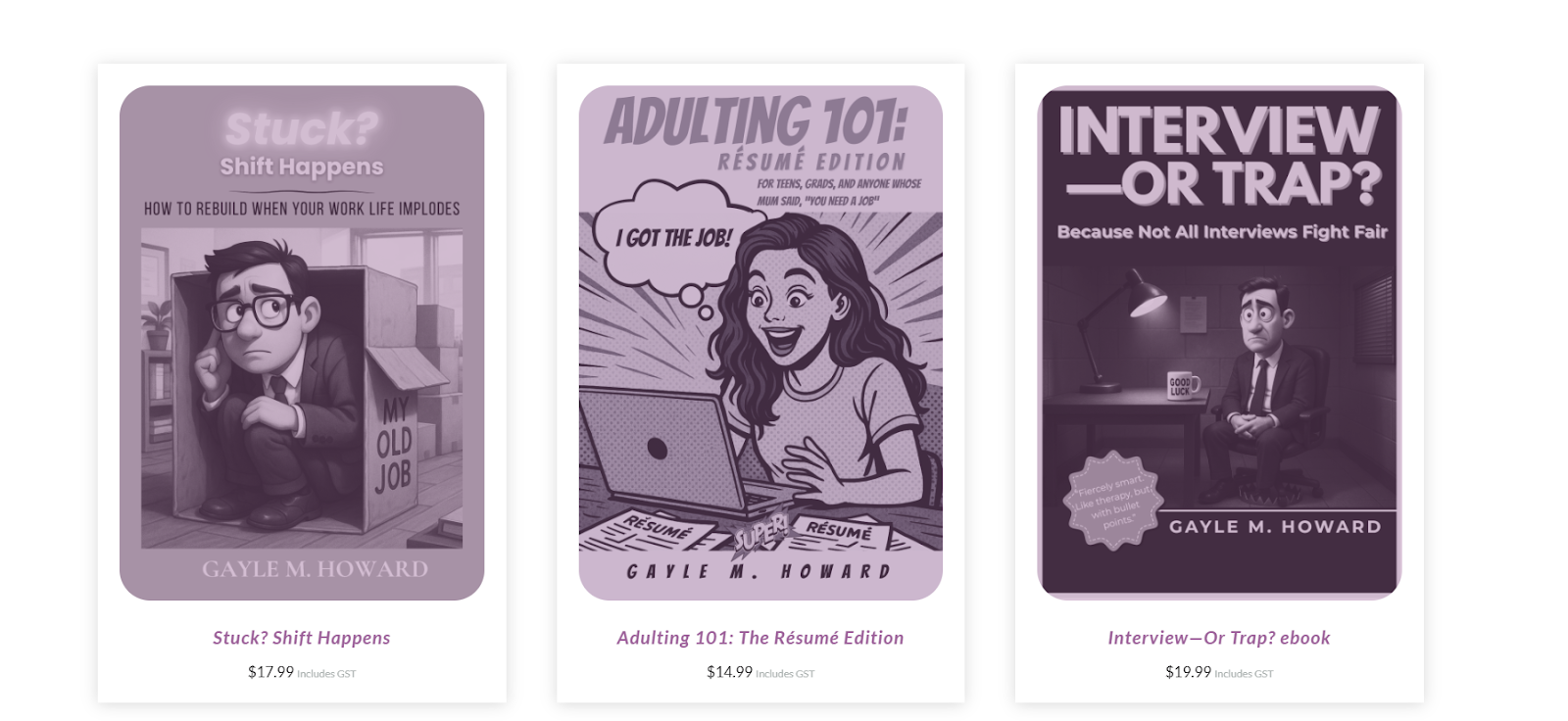
E-books
- Effort Level: Medium
- Profit Potential: $$
- Best For: Writers with expertise in a specific niche
Pro Tip: E-books are saturated. Your only advantage is ultra-narrow positioning. Don't write "Productivity Hacks"—write "Time Management for ADHD Entrepreneurs" or "Meal Prep for Shift Workers." Sell on your own site using a creator platform at $27-$47, not Amazon, where you're competing on price.
Paid Newsletters
- Effort Level: High (ongoing)
- Profit Potential: $$$
- Best For: Writers who can commit to weekly publishing
Pro Tip: Different platforms take different cuts. Substack takes 10% of paid subscriptions. Ghost is open-source and takes 0% but requires more technical setup. Some course platforms now let you gate newsletter archives, offer paid tiers, and bundle with courses—all on one system. The real strategy: use free newsletter to build trust, then upsell to $9-$29/month premium tier with deeper analysis, templates, or community access.
Copywriting Swipe Files
- Effort Level: Low
- Profit Potential: $$
- Best For: Marketers and copywriters
Pro Tip: Compile 50-100 proven email subject lines, landing page templates, or ad copy examples into a Notion doc or PDF. Sell for $27-$97. The key is specificity: "Cold Email Swipe File for B2B SaaS" beats "Marketing Templates." Update annually and email past buyers with "2026 Edition" for repeat sales.
AI Prompts & Prompt Libraries
- Effort Level: Low
- Profit Potential: $$
- Best For: Anyone using ChatGPT, Claude, or Midjourney regularly
Pro Tip: This market exploded in 2024 and is now competitive. Differentiate by industry: "100 AI Prompts for Real Estate Agents" or "Midjourney Prompts for Book Cover Designers." Bundle as a Notion template or PDF. Price: $17-$47. Update quarterly as AI models evolve.
Category B: For Designers
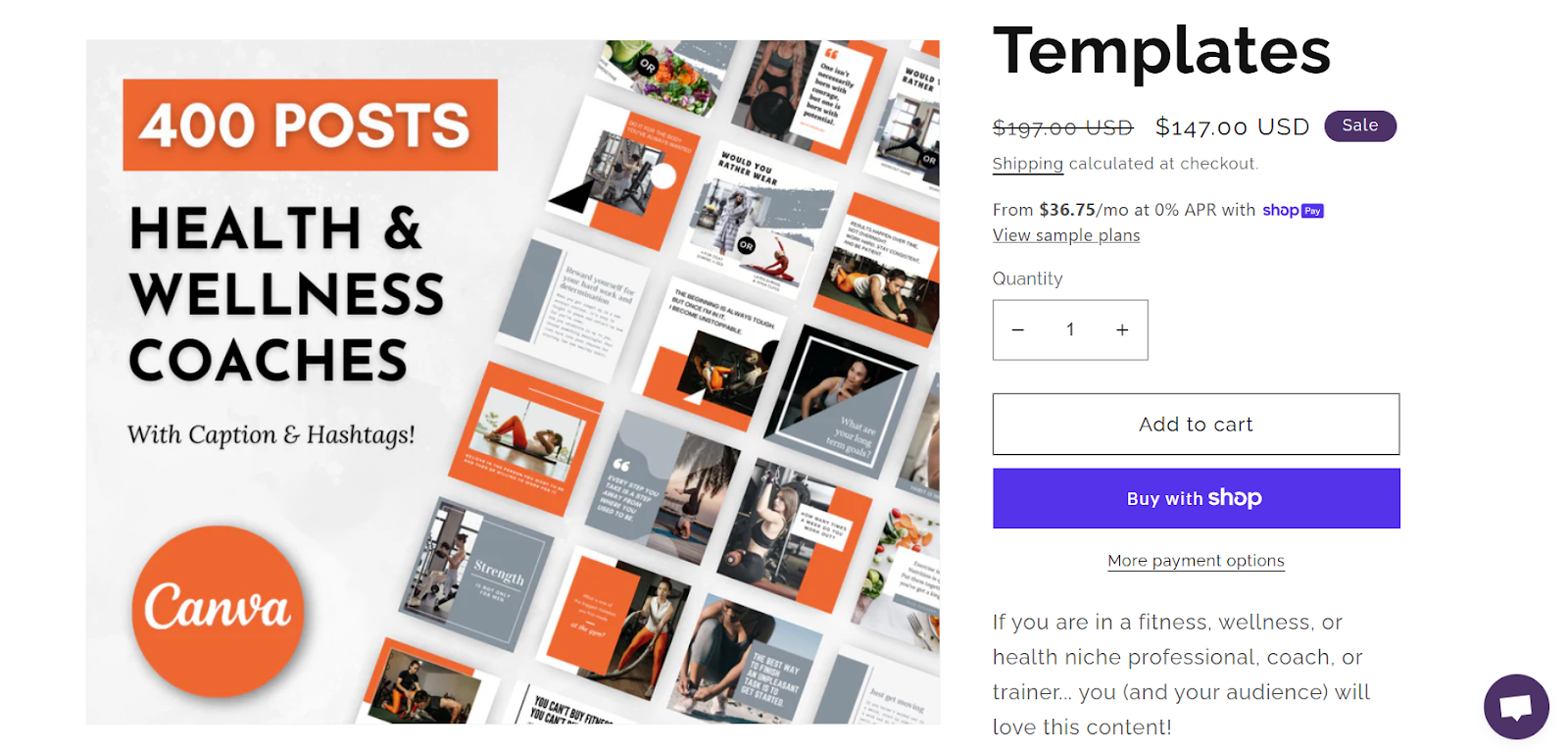
Social Media Templates
- Effort Level: Medium
- Profit Potential: $$$
- Best For: Graphic designers and content creators
Pro Tip: Canva killed the generic template market. Your edge is niche + done-for-you: "30 Instagram Templates for Therapists" or "LinkedIn Carousels for Tech Recruiters." Sell template packs for $47-$97. Include both Canva and Adobe files. Upsell: monthly template subscription at $27/month.
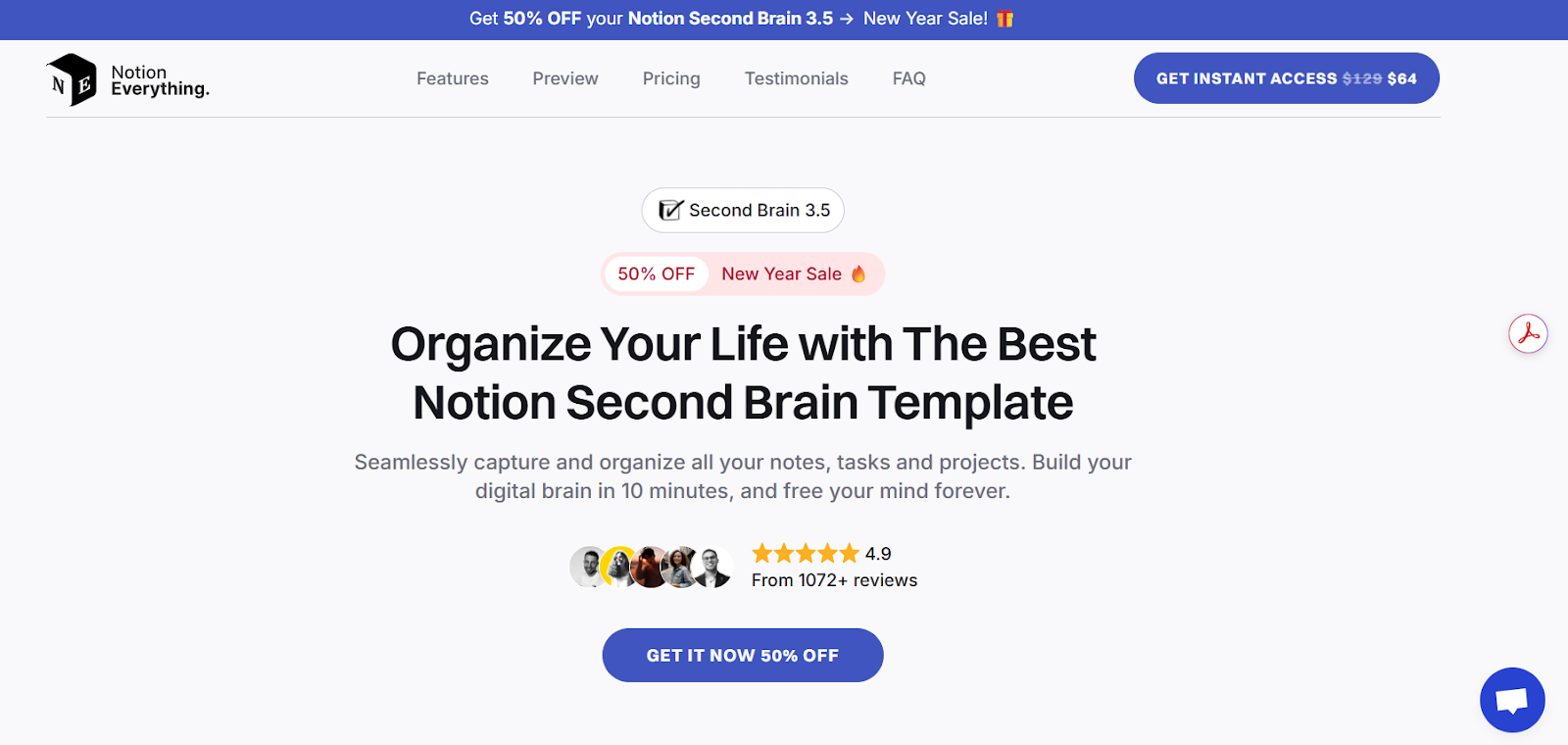
Notion Templates
- Effort Level: Low-Medium
- Profit Potential: $$
- Best For: Organized people who love systems
Pro Tip: The market is flooded with basic templates. Win with complexity + niche: "Complete Client Management System for Wedding Planners" or "Content Calendar + Analytics Dashboard for YouTubers." Price $29-$97 depending on sophistication. Gumroad is the standard marketplace, but FreshLearn lets you bundle templates with tutorial videos for premium pricing.
UX/UI Kits & Design Systems
- Effort Level: High
- Profit Potential: $$$$
- Best For: Experienced UI/UX designers
Pro Tip: Figma component libraries, design systems, and UI kits for Webflow or Framer can sell for $149-$497 if they save developers 10+ hours. Target agencies and startups. Include documentation and real-world examples. This is one category where technical quality matters more than marketing—designers will pay for truly excellent work.
Printable Wall Art
- Effort Level: Low
- Profit Potential: $
- Best For: Designers and illustrators
Pro Tip: Etsy is oversaturated. Your advantage: trend-jacking + SEO. Search Google Trends for rising aesthetics (in 2026: "quiet luxury," "indie sleaze revival," "cottagecore") and create printables in those styles. Price $5-$15 per print or $39 for packs of 10. Volume game—you need hundreds of designs.
Category C: For Organizers & Productivity Enthusiasts
Excel Calculators & Financial Spreadsheets
- Effort Level: Medium
- Profit Potential: $$
- Best For: Finance pros, analysts, and Excel power users
Pro Tip: People will pay real money for spreadsheets that solve specific problems: "Real Estate Investment ROI Calculator," "Freelance Tax Estimator," or "Wedding Budget Tracker with Vendor Payments." Price $17-$47. Sell on Gumroad or Etsy. Make sure they work on both Excel and Google Sheets, or you'll get refund requests.
Trello/Asana/ClickUp Board Templates
- Effort Level: Low
- Profit Potential: $
- Best For: Project managers and productivity nerds
Pro Tip: Pre-built project management boards for specific use cases: "Product Launch Template for SaaS," "Editorial Calendar for Content Agencies," "Home Renovation Tracker." Price $9-$29. The real opportunity: bundle with video walkthrough + SOPs for $97+, positioning it as a "system," not just a template.
Digital Planners & Journals (GoodNotes/Notability)
- Effort Level: Medium
- Profit Potential: $$
- Best For: Designers who understand tablet UX
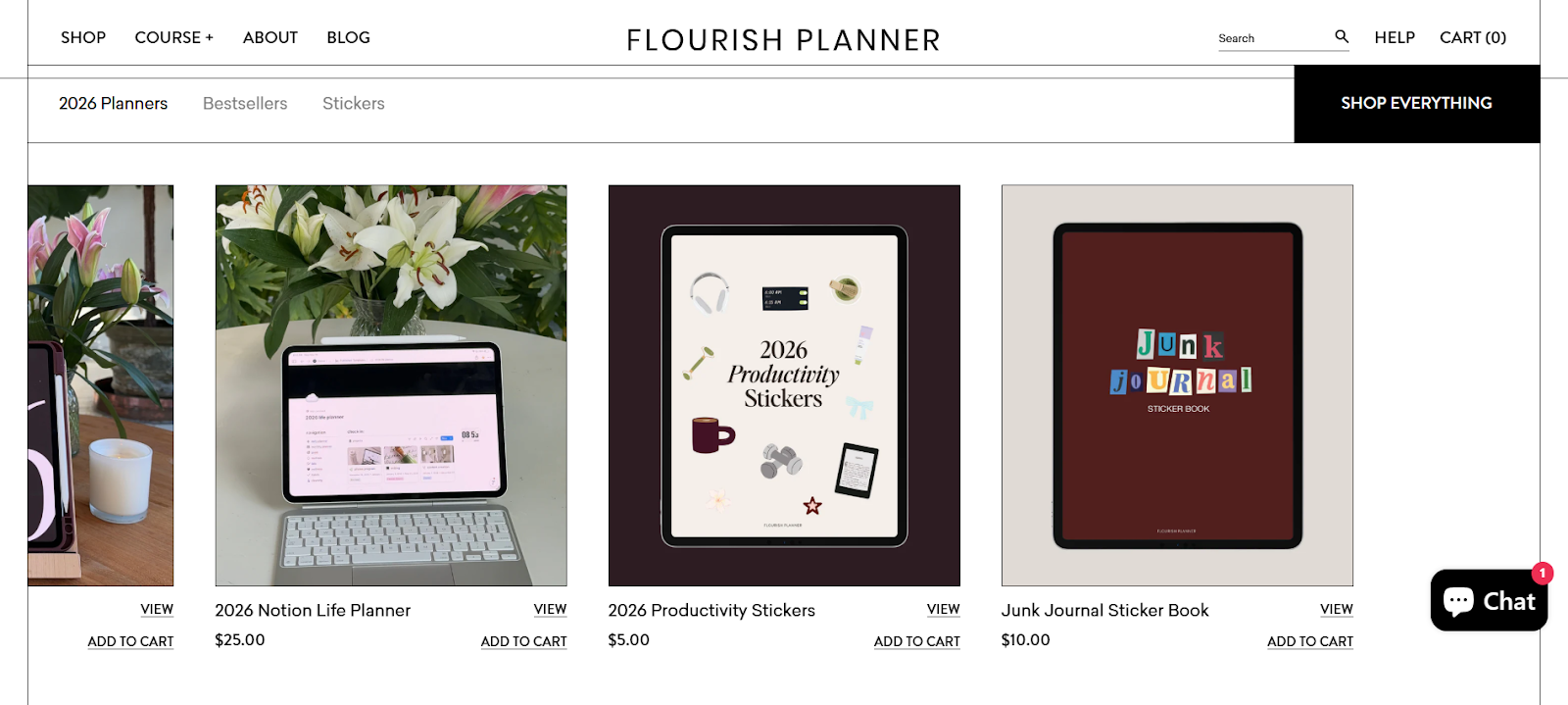
Pro Tip: The iPad planner market is huge. Differentiate by function: "ADHD-Friendly Daily Planner," "Minimalist Budget Tracker," "Pregnancy & Baby Journal." Price $9-$27. Sell on Etsy or Gumroad. Create demo videos on Instagram/TikTok showing the planner in action—that's how these go viral.
Category D: The Niche "Long Tail" (50+ More Ideas)
This is where it gets interesting. These products might not make you rich individually, but the right niche at the right time can generate $2K-$5K/month with minimal ongoing effort.
🔥 High Opportunity Niches (Strong demand, less competition):
- 3D printing STL files for tabletop gaming
- Notion templates for specific professions (therapists, real estate agents)
- Lightroom presets for wedding photographers
- Meal prep systems for specific diets (keto, autoimmune protocol)
- Financial spreadsheets for small businesses
💰 Highest Willingness-to-Pay (Buyers who value time savings):
- Legal contract templates
- SOP documentation for agencies
- Real estate investment calculators
- Bookkeeping templates
- Wedding planning systems
🌲 Best Evergreen Niches (Consistent demand year-round):
- Printable worksheets for homeschooling
- Fitness tracking spreadsheets
- Recipe e-books
- Knitting/crochet patterns
- Digital planners
Now, the complete list organized by category:
Food & Nutrition:
- Custom meal prep systems (e.g., "Meal Prep for Keto Athletes") – Effort: Medium | Profit: $$ – Create weekly meal plans with shopping lists and prep instructions. Price at $27-$47. The fitness crowd pays premium for done-for-you nutrition planning.
- Recipe e-books with macro calculations – Effort: Medium | Profit: $$ – Not just recipes, but complete nutritional breakdowns. Target specific diets (vegan bodybuilding, diabetic-friendly, autoimmune protocol). Sell for $19-$37 on Gumroad.
- Grocery list templates for specific diets – Effort: Low | Profit: $ – Simple but useful. Organize by store section, include budget tracking. Bundle 12 weeks for $17.
- Nutrition coaching spreadsheets – Effort: Medium | Profit: $$ – Macro calculators, food logs with charts, weight tracking with trend analysis. Nutritionists and personal trainers will pay $37-$67 for quality tools.
Creative & Hobbies:
- Knitting and crochet patterns – Effort: Medium | Profit: $$ – The crafting community is incredibly loyal and pays $6-$12 per pattern. Sell on Ravelry or your own site. Video tutorials bundled with patterns can command $27-$47. Seasonal patterns (holiday sweaters, summer tops) see predictable spikes.
- Embroidery designs for machines – Effort: Medium | Profit: $$ – If you know how to digitize embroidery files, you can sell designs for $5-$15 each or $39-$67 for themed packs. Target crafters with Etsy shops who need fresh designs constantly.
- Woodworking plans and cut lists – Effort: High | Profit: $$$ – Detailed plans with materials lists, cut diagrams, and assembly instructions. DIY furniture builders will pay $27-$97 for proven plans that save them design time. Include SketchUp files for bonus value.
- 3D printing STL files – Effort: Medium | Profit: $$ – Tabletop gaming miniatures, organizational solutions, and cosplay props are hot niches. Price individual files at $3-$12 or bundles at $27-$47. Sites like MyMiniFactory and Cults3D take smaller cuts than other marketplaces (15-20%).
Photography & Video:
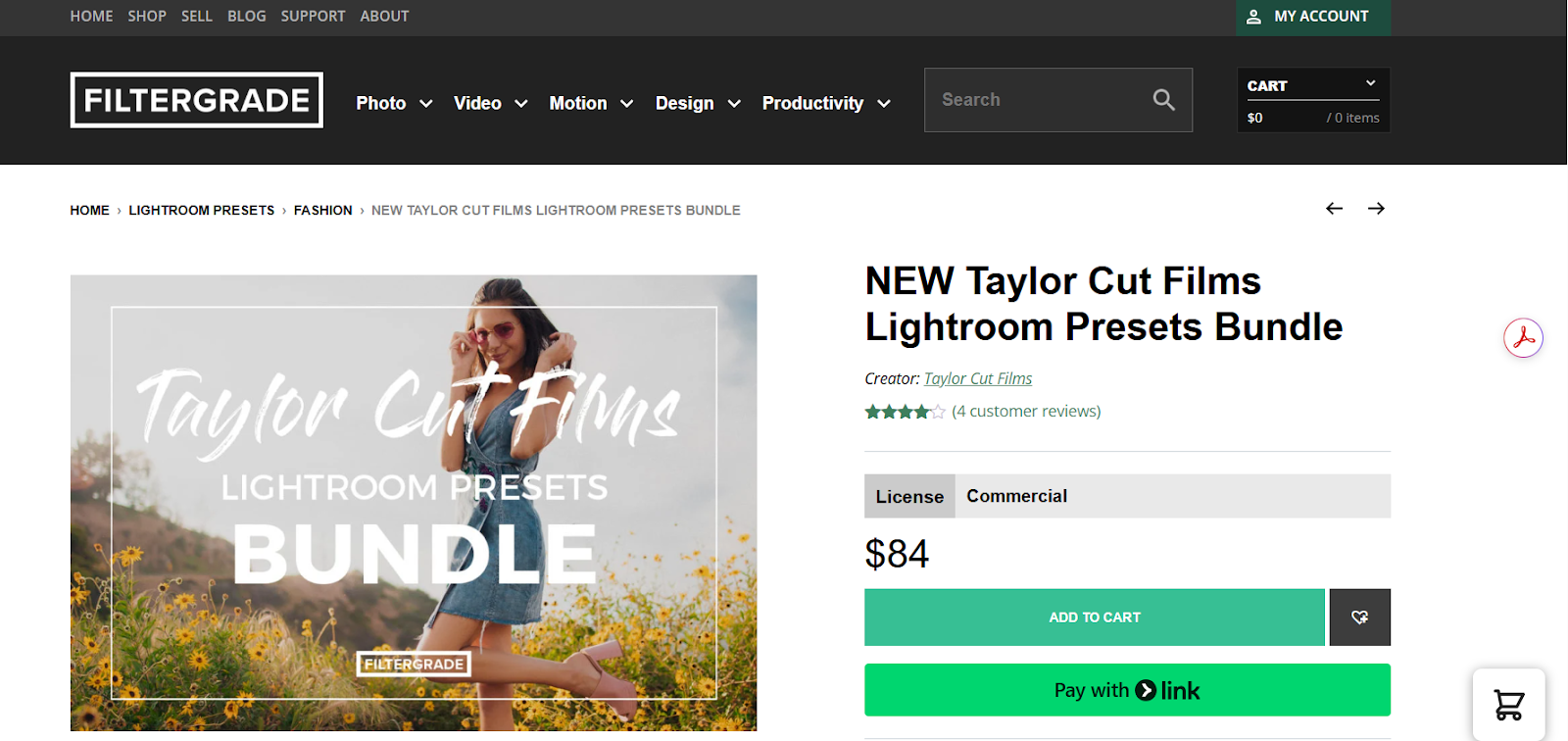
- Lightroom presets – Effort: Low | Profit: $$ – Create 10-20 presets that achieve a specific aesthetic (moody, bright and airy, vintage film). Price packs at $19-$47. Include before/after examples. The key is showing a consistent style across different scenarios.
- LUT packs for video color grading – Effort: Medium | Profit: $$ – Video editors need these constantly. Create 5-10 cinematic LUTs compatible with DaVinci Resolve, Premiere, and Final Cut. Price at $27-$67. Market heavily on YouTube to video creators.
- Stock photography bundles for specific industries – Effort: High | Profit: $$$ – Don't compete with Unsplash. Instead, create ultra-niche stock photos that don't exist: "50 Photos of Remote Workers Over 50," "Sustainable Fashion Product Mockups," "Authentic Plus-Size Fitness Images." Price bundles at $97-$197.
- After Effects templates for social media – Effort: High | Profit: $$$ – Lower thirds, title animations, logo reveals, and Instagram story templates. If they're truly plug-and-play, you can charge $47-$127. Sell on VideoHive or your own site.
- Final Cut Pro / Premiere Pro project files – Effort: High | Profit: $$$ – Complete editing templates for specific video types: YouTube intros, podcast recordings, product reviews, course lessons. Include fonts, effects, and color grades. Price at $67-$147.
Music & Audio:
- Stock music loops and samples – Effort: High | Profit: $$$ – Original music loops, drum kits, synth patches. Producers will pay $27-$97 for high-quality packs. Sell on Splice, Loopmasters, or your own site.
- Sound effects libraries – Effort: Medium | Profit: $$ – Especially valuable for video game developers and YouTube creators. Niche packs perform best: "Sci-Fi UI Sound Effects," "Nature and Wildlife Sounds," "Retro 8-Bit Game Sounds." Price at $19-$47 for 50-100 sounds.
- Podcast intro/outro templates – Effort: Low | Profit: $ – Pre-mixed music beds with room for voice-over. Offer in multiple lengths (15, 30, 60 seconds). Sell for $17-$37. The podcast market continues to expand, with listener numbers in the hundreds of millions globally as of 2026.
- Voice-over scripts for specific industries – Effort: Medium | Profit: $$ – Pre-written scripts for phone systems, explainer videos, product demos. Target industries: real estate agents, dental offices, tech startups. Charge $27-$67 per pack of 10-20 scripts.
Professional Services Templates:
- Legal contract templates – Effort: High | Profit: $$$ – Client service agreements, NDAs, independent contractor agreements. CRITICAL: Include disclaimer that these aren't legal advice. Price at $47-$127. Freelancers, coaches, and consultants desperately need these. Partner with a lawyer to ensure they're solid (or license existing templates).
- Proposal templates for freelancers by industry – Effort: Medium | Profit: $$ – Pre-formatted proposals for designers, writers, developers, consultants. Include pricing tables, scope of work sections, and terms. Sell industry-specific versions for $27-$47 each.
- Standard Operating Procedures (SOPs) documentation – Effort: High | Profit: $$$ – Complete SOP libraries for specific business types: "SOPs for Virtual Assistant Agencies," "Restaurant Opening Procedures," "E-commerce Fulfillment Processes." These save businesses 40+ hours of documentation. Price at $97-$297.
- Onboarding checklists and client welcome packets – Effort: Medium | Profit: $$ – Branded templates in Canva or Google Docs that service providers can customize. Include questionnaires, timelines, and communication guidelines. Sell for $37-$67.
- Presentation decks for specific pitch scenarios – Effort: Medium | Profit: $$ – Investor pitch decks, sales presentation templates, client proposal decks—all with proven structures. Price at $47-$97. Include both PowerPoint and Google Slides versions.
E-Commerce & Marketing:
- Product mockup templates – Effort: Medium | Profit: $$ – Essential for print-on-demand sellers. Create smart objects in Photoshop for t-shirts, mugs, phone cases, tote bags. Sell packs of 20-30 mockups for $37-$67. The POD market is massive and these sellers need constant fresh mockups.
- Email sequence templates for specific funnels – Effort: Medium | Profit: $$ – Pre-written email sequences: cart abandonment, welcome series, product launch, webinar follow-up. Sell industry-specific versions (e-commerce, coaching, SaaS) for $47-$97 per sequence.
- Facebook/Google Ad templates with tested copy – Effort: High | Profit: $$$ – Swipe files of actual winning ads with targeting suggestions and budget recommendations. Niche these heavily: "Instagram Ads for Wedding Photographers," "Facebook Ads for Local Service Businesses." Price at $67-$147.
- Shopify themes and customizations – Effort: High | Profit: $$$$ – Custom themes or theme customizations can sell for $197-$997 if they solve specific problems (fast loading, conversion-optimized, niche-specific design). This requires real development skills.
- Amazon listing optimization templates – Effort: Low | Profit: $ – Keyword research templates, bullet point formulas, A+ content layouts. Amazon sellers need help with SEO. Sell for $17-$37.
Health & Fitness:
- Workout programs in PDF format – Effort: Medium | Profit: $$ – 4-12 week progressive programs for specific goals: muscle gain, fat loss, marathon training, postpartum recovery. Include exercise demonstrations (photos or links to videos), progression guidelines, and tracking sheets. Price at $27-$47. The gym-goers who buy PDFs prefer them to apps—they want ownership.
- Yoga sequence guides with illustrations – Effort: Medium | Profit: $$ – Illustrated flows for different levels and goals: morning energizer, stress relief, flexibility, strength-building. Include modifications and breathing cues. Sell for $17-$37.
- Stretching routines for specific sports – Effort: Low | Profit: $ – 15-20 minute pre- and post-workout stretching protocols for runners, cyclists, weightlifters, swimmers. Simple PDF with clear instructions. Price at $9-$17. Volume play.
- Fitness tracking spreadsheets – Effort: Low | Profit: $ – Google Sheets templates for tracking workouts, measuring progress, calculating one-rep maxes, planning deloads. Price at $9-$19. The advantage over apps: full customization.
Education & Kids:
- Printable worksheets for homeschooling – Effort: Medium | Profit: $$ – Grade-specific curriculum packets, especially for math, phonics, and handwriting. The homeschool market has grown significantly since 2020 and remains a strong niche. Price by grade level or subject: $12-$27 per month's worth of materials.
- Educational games and activities – Effort: Medium | Profit: $$ – Printable board games, scavenger hunts, science experiments. Target parents and teachers. Bundle seasonal themes (Halloween math, Christmas reading) for $17-$37.
- Flashcard sets for various subjects – Effort: Low | Profit: $ – Multiplication tables, sight words, historical dates, SAT vocabulary. Printable or digital formats. Price at $7-$17 per set.
- Study guides and test prep materials – Effort: High | Profit: $$$ – Comprehensive guides for standardized tests (SAT, ACT, GRE, LSAT) or professional certifications (PMP, CPA, Series 7). These can command $47-$147 if they're thorough and well-organized.
Finance & Business:
- Bookkeeping templates for small businesses – Effort: Medium | Profit: $$ – Monthly financial trackers, expense categorization sheets, profit and loss statements, invoice templates. Small business owners hate bookkeeping and will pay $27-$47 for a system that simplifies it.
- Business plan templates by industry – Effort: High | Profit: $$$ – Industry-specific business plans with financial projections, market analysis frameworks, and operational plans. Food trucks, consulting firms, e-commerce stores—each needs different structures. Price at $47-$97.
- Investor pitch deck templates – Effort: Medium | Profit: $$ – PowerPoint/Keynote templates following proven pitch structures with placeholder content for each slide. Include examples from successful startups. Sell for $47-$127.
- Cash flow forecasting spreadsheets – Effort: High | Profit: $$$ – Sophisticated Excel/Google Sheets models with scenario planning, seasonal adjustments, and visual dashboards. Small business CFOs and fractional CFOs will pay $67-$147 for time-saving tools.
- Pricing calculators for service businesses – Effort: Medium | Profit: $$ – Help freelancers and service providers calculate hourly rates, project fees, retainer pricing based on expenses and desired profit. Price at $27-$47
Tech & Gaming:
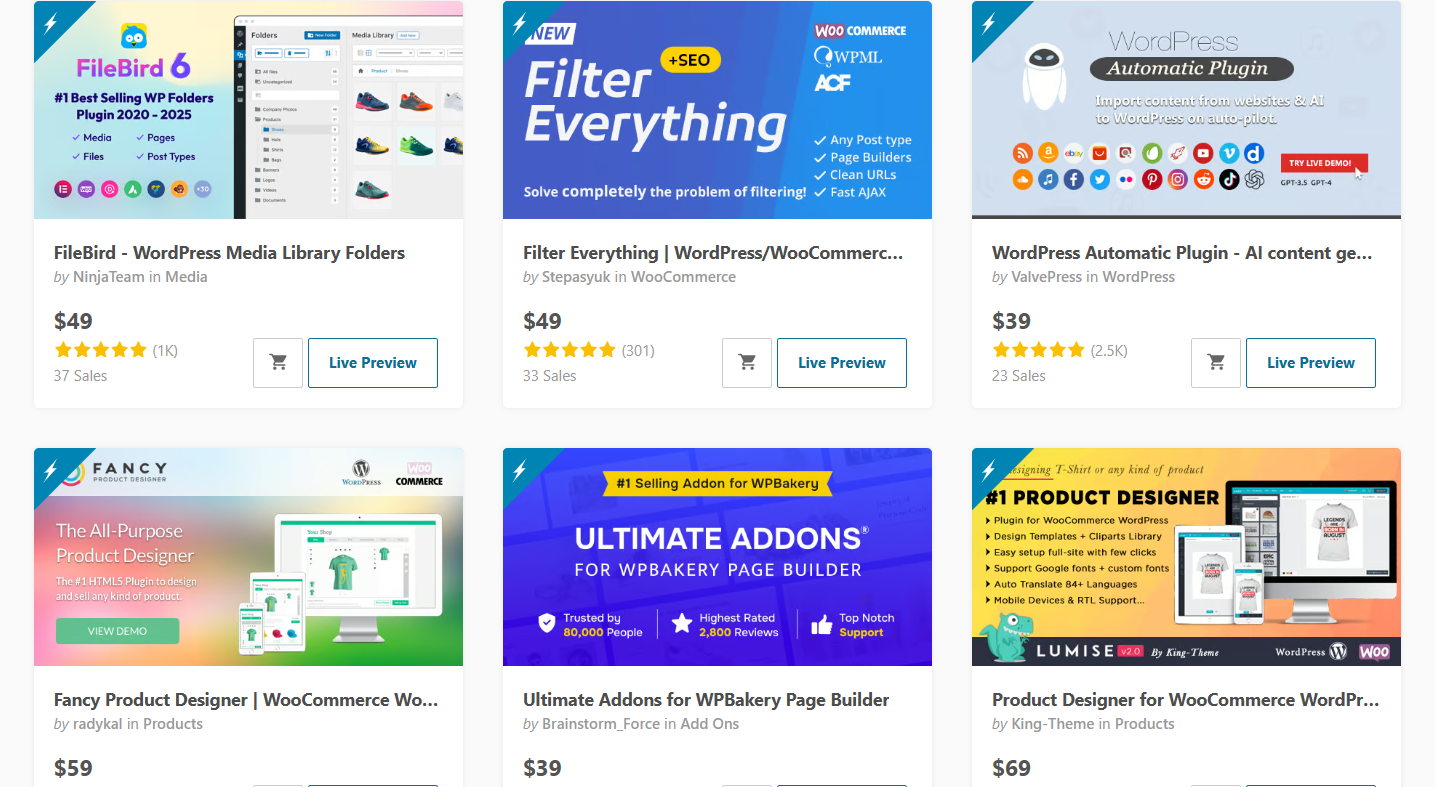
- WordPress plugins and themes – Effort: High | Profit: $$$$ – Solve specific problems for WordPress users. Plugins can sell for $47-$297 depending on functionality. Themes with ongoing support can generate recurring revenue at $67-$197.
- Browser extensions for productivity – Effort: High | Profit: $$$ – Build extensions for Chrome, Firefox, Safari that solve niche problems. One-time payment of $9-$47 or subscription model at $4-$9/month.
- Game mods and custom maps – Effort: Medium-High | Profit: $$ – For popular games like Minecraft, Cities: Skylines, Skyrim. Passionate gaming communities will pay $5-$27 for quality mods. Use Patreon for ongoing content subscriptions.
- Twitch/YouTube overlays and assets – Effort: Medium | Profit: $$ – Streaming packages with overlays, alerts, panels, and transitions. Streamers want professional branding. Sell complete packages for $37-$97 or à la carte components.
- Discord server templates and bots – Effort: Medium-High | Profit: $$ – Pre-configured servers for specific communities (gaming guilds, course students, NFT projects) plus custom bot functionality. Price at $27-$127, depending on complexity.
Common Mistakes to Avoid:
When building technical products (plugins, extensions, bots), the biggest failure point isn't the code—it's documentation and support. Creators often underestimate how much hand-holding users need. Before launching:
- Write installation guides assuming zero technical knowledge
- Create video walkthroughs for setup
- Set up a basic support system (even just a dedicated email)
- Test on multiple browsers/platforms, not just your own setup
The second mistake: underpricing complex work. If your WordPress plugin saves an agency 10 hours of development time, charging $47 is leaving money on the table. Price based on value delivered, not hours spent building.
Spiritual & Self-Development:
- Tarot card interpretation guides – Effort: Medium | Profit: $$ – Digital guidebooks with detailed card meanings, spread tutorials, and journaling prompts. The spiritual wellness market continues to show strong growth. Price at $17-$37.
- Meditation audio tracks – Effort: Medium | Profit: $$ – Guided meditations for specific intentions: sleep, anxiety relief, manifestation, chakra balancing. Sell individual tracks for $7-$12 or bundles for $27-$47.
- Affirmation card decks – Effort: Low | Profit: $ – Printable card decks with daily affirmations. Design 40-50 cards with beautiful graphics. Sell PDF for $12-$27.
- Moon phase tracking journals – Effort: Medium | Profit: $$ – Digital planners aligned with lunar cycles, including ritual suggestions and reflection prompts. GoodNotes format sells best. Price at $17-$37.
- Manifestation workbooks – Effort: Medium | Profit: $$ – 30-90 day guided workbooks with exercises, vision board templates, and tracking sheets. This niche is huge on Instagram. Price at $27-$47.
Wedding & Events:
- Wedding planning timelines and checklists – Effort: Medium | Profit: $$ – Month-by-month planning guides from engagement to honeymoon. Include vendor comparison sheets and budget trackers. Engaged couples will pay $27-$47 for comprehensive planning tools.
- Invitation templates – Effort: Medium | Profit: $$ – Canva and InDesign templates for invitations, save-the-dates, programs, and thank-you cards. Sell style-specific bundles (rustic, modern, vintage) for $37-$67.
- Seating chart generators – Effort: High | Profit: $$$ – Interactive spreadsheets or web tools that optimize table assignments based on relationships and constraints. This is a painful problem for couples. Price at $27-$47.
- Budget trackers specific to weddings – Effort: Low | Profit: $ – Pre-populated with typical wedding expenses and automatic calculations. Sell for $12-$27.
- Day-of timeline templates – Effort: Low | Profit: $ – Hour-by-hour schedules for the wedding day with assignments for vendors and wedding party. Price at $12-$17.
Real Estate & Home:
- Home renovation project planners – Effort: Medium | Profit: $$ – Room-by-room planning templates with budget tracking, contractor comparison sheets, and design inspiration boards. DIYers and homeowners managing contractors will pay $27-$47.
- Interior design mood board templates – Effort: Low | Profit: $ – Canva or PowerPoint templates for creating professional-looking room design boards. Sell for $17-$27.
- Rental property analysis spreadsheets – Effort: High | Profit: $$$ – Calculate ROI, cash flow, cap rates, and compare multiple properties. Real estate investors value time-saving tools. Price at $47-$97.
- Moving checklists and organizers – Effort: Low | Profit: $ – Week-by-week moving timelines, room inventories, and utility setup checklists. Sell for $9-$17.
- Home maintenance trackers – Effort: Low | Profit: $ – Seasonal maintenance checklists, warranty documentation organizers, and service provider contact sheets. Price at $12-$17.
Beauty & Fashion:
- Capsule wardrobe guides by season – Effort: Medium | Profit: $$ – Curated clothing lists with mix-and-match outfit suggestions. Create versions for different styles and body types. Price at $17-$37.
- Makeup look tutorials and diagrams – Effort: Medium | Profit: $$ – Step-by-step illustrated guides for specific looks (smokey eye, natural glam, editorial). Include product recommendations. Sell for $12-$27.
- Skincare routine templates – Effort: Low | Profit: $ – Morning and evening routine builders based on skin type and concerns. Simple but useful. Price at $9-$17.
- Personal style quiz and analysis tools – Effort: Medium | Profit: $$ – Interactive PDFs or online quizzes that help people identify their style personality and build wardrobes accordingly. Price at $27-$47.
Phase 3: The "How-To" Guide (Execution)
Ideas are worth nothing. Execution is everything. Here's how to go from concept to first sale.
Step 1: Validation Before Creation
Don't build what you think people want. Prove demand first.
Reddit Method (15 minutes):
- Find the subreddit where your target buyer hangs out
- Search for pain points: "I wish there was..." or "Does anyone have a template for..."
- If you see the same request 5+ times in the past month, that's validated demand
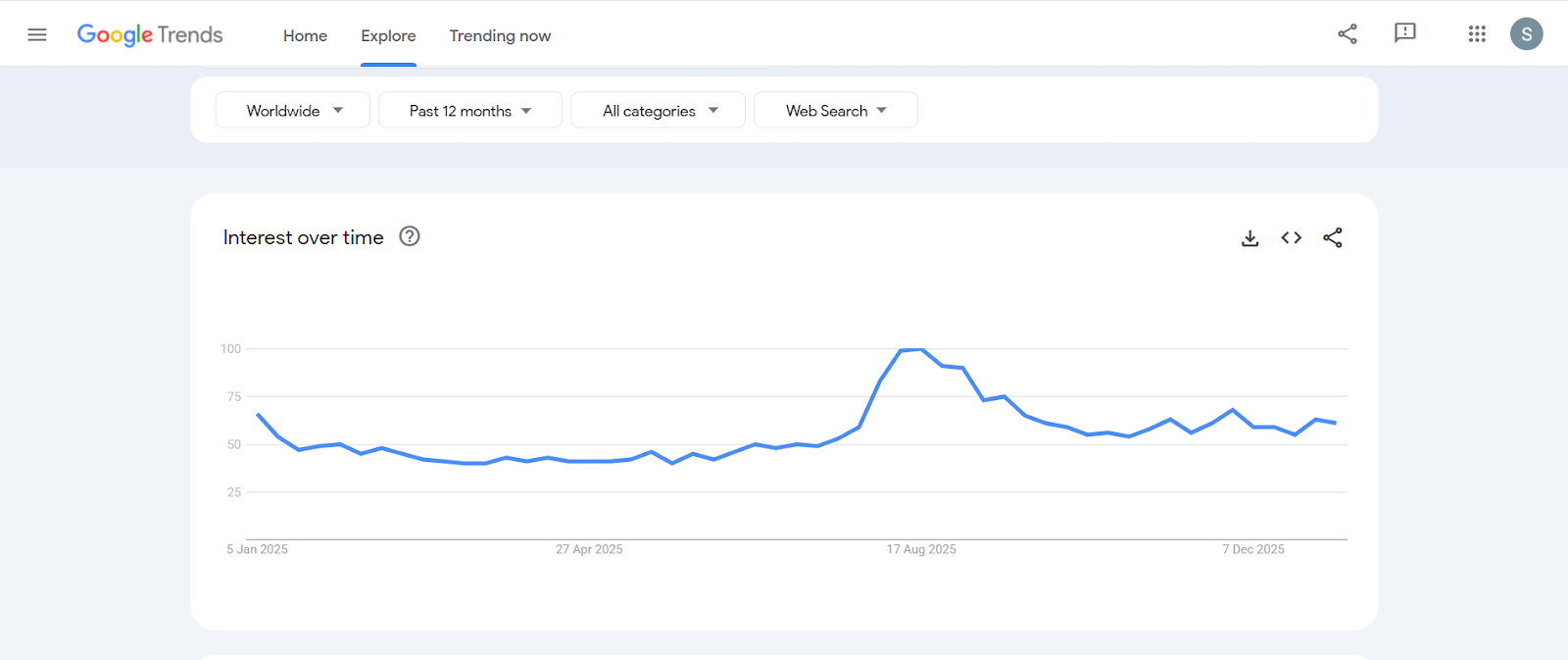
Google Trends Method (5 minutes):
- Go to Google Trends
- Search your product idea (e.g., "Notion template for content creators")
- Look for upward trend over 12 months + consistent interest
- Compare related queries to find the most searched variation
The $100 Pre-Sale Test: Create a simple landing page (Carrd.co is free) with:
- Headline: "The [Specific Outcome] [Product Type] for [Niche]"
- 3-5 bullet points of what's included
- Price and "Pre-Order Now" button (using Gumroad or Stripe)
- Delivery date 2-3 weeks out
Run $100 in Facebook or Instagram ads targeting your niche. If you can't get 3-5 pre-orders from $100 spend, the market is telling you something. Listen.
Step 2: Creation—Tools for Speed
Don't over-engineer. Use what works:
For Writing (E-books, Guides):
- Google Docs (free) → Export to PDF
- Canva (free tier) for cover design and interior formatting
- Grammarly (free) for editing
For Video Courses:
- OBS Studio (free, open-source screen recording)
- Descript ($24/month) for editing with transcript-based workflow
- Canva for slide decks and thumbnails
- Loom (free tier) for quick tutorial videos
For Design Templates:
- Canva Pro ($13/month) for social media templates
- Figma (free) for UI kits and design systems
- Adobe Creative Cloud ($55/month) if you're a pro designer
For Spreadsheets & Calculators:
- Google Sheets (free, better compatibility than Excel)
- Airtable (free tier) for database-style templates
- Excel if your buyers specifically request .xlsx format
For Audio Products:
- Audacity (free) for recording and editing
- Epidemic Sound ($15/month) for royalty-free music beds
- Descript for podcast editing
Step 3: The Tech Stack Decision (This Is Critical)
You have two paths, and this choice affects your profit margins permanently:
Option A: Marketplaces (Quick Start, Revenue Share Model)
- Etsy: 6.5% transaction fee + $0.20 listing fee + payment processing (~3%)
- Gumroad: 10% fee on free plan, or $10/month + payment processing (~3%)
- Amazon KDP: 30-70% royalty (they keep 30-70% depending on price and delivery)
- Creative Market: 30% commission on templates and graphics
- Udemy: Takes 50% if you bring the customer, 75% if they do (according to their revenue share documentation)
Total cost: You're typically giving away 10-50% of revenue, depending on the platform.
Why you'd choose this: Fast setup, built-in traffic, no tech knowledge required. If you're testing a product or doing low-ticket volume sales ($9-$29), marketplaces provide validation without upfront investment.
Option B: Your Own Platform (Full Control, Lower Long-Term Costs)
Self-hosted platforms (for courses, memberships, and premium products):
- Teachable: $159/month + 5% transaction fee on Pro plan, $0 transaction fee on higher tiers
- Kajabi: $149-$399/month, 0% transaction fees
- Podia: $89/month, 0% transaction fees
- Thinkific: $49-$499/month depending on features, 0% transaction fees on paid plans
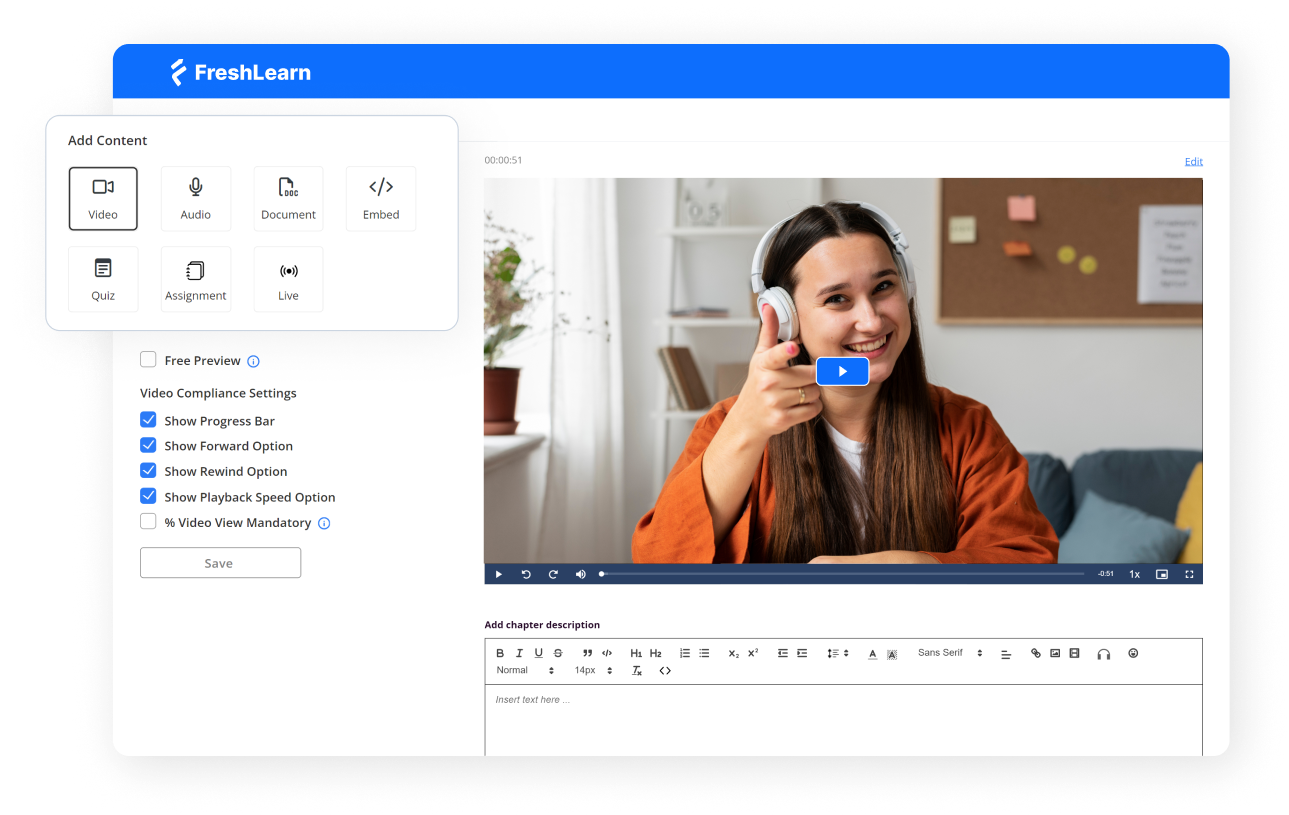
- FreshLearn: Various pricing tiers, 0% transaction fees (full disclosure: this is a newer platform with competitive positioning)
For digital downloads:
- Gumroad: ($10/month plan to avoid 10% fee)
- SendOwl: $15-$39/month
- Your own site: WordPress + WooCommerce (free plugins, ~$5-20/month hosting)
The math example: If you sell a $497 course and make 100 sales:
- On Udemy (50% commission): You keep $24,850
- On Teachable Pro ($159/month + 5% fee): You keep $44,715 minus $1,908 annual platform fee = $42,807
- On a 0% commission platform: You keep $48,251 (only Stripe/PayPal ~3% fee)
Difference: $23,401 over 100 sales
More importantly: marketplace customers belong to the marketplace. You typically can't email them about your next product. On your own platform, you build an email list—a permanent asset.
Decision framework:
- Testing ideas or selling templates under $50: Start with marketplaces like Etsy or Gumroad
- Selling courses, memberships, or products $97+: Invest in your own platform
- Somewhere in between: Use Gumroad's $10/month plan to avoid commission while testing, then migrate to a full platform once you hit $2K-5K/month
The right answer depends on your goals, technical comfort, and product price point.
Phase 4: Marketing Your Product (Without Paid Ads)
You've built it. Now comes the hard part: getting people to buy.

Short-Form Video Is the Primary Driver (TikTok/Reels/Shorts)
Short-form video has become one of the most effective discovery channels for digital products. Multiple studies indicate that the majority of consumers now prefer learning about products through short video content. Here's the framework that consistently performs well:
The "Hook-Teach-Tease" Structure:
- Hook (first 3 seconds): "I made $47K selling Notion templates. Here's the one that made $12K alone."
- Teach (next 20 seconds): Show the template in action, demonstrate one useful feature
- Tease (last 5 seconds): "Link in bio for the full template library"
What works in 2026:
- Behind-the-scenes of product creation ("Building a course in real-time")
- Before/after results ("My workflow before vs. after using this system")
- Common mistakes + your product as solution ("Stop using 5 apps. I built one template that does it all.")
Post 3-5 times per week. You need volume to crack the algorithm. Repurpose the same content across TikTok, Instagram Reels, and YouTube Shorts.
Lead Magnets: Give to Sell
The strategy: Give away something valuable for free in exchange for an email address, then sell the premium version.
Examples:
- Selling a $197 course on freelancing? Give away "5 Client Email Templates" free
- Selling $47 Lightroom presets? Give away 3 free presets to demonstrate quality
- Selling a $97 Notion system? Give away a simplified "Lite" version free
Use landing page builders like Carrd ($19/year) or FreshLearn's built-in landing pages to collect emails, then set up a 5-7 email sequence that nurtures leads and pitches your paid product.
The email sequence structure:
- Email 1: Deliver the freebie
- Email 2-3: Teach something related, build trust
- Email 4: Share a case study or testimonial
- Email 5: The pitch with urgency (limited-time discount or bonus)
- Email 6-7: Final reminder + FAQ
Affiliates: Let Others Sell for You
Once you've made your first 10-20 sales organically, recruit affiliates. Offer 20-40% commission for anyone who promotes your product.
Where to find affiliates:
- Your own customers (offer commission if they refer friends)
- Micro-influencers in your niche (50K-200K followers)
- Bloggers who write about your topic
- YouTubers who create content in your space
Use platforms like Rewardful (integrates with Stripe) or FreshLearn's built-in affiliate system to track commissions automatically.
The pitch: "I have a [product] that [specific outcome]. I'm offering [X%] commission. Would you be interested in promoting to your audience?"
Make it easy: Provide swipe copy, social media graphics, and sample content they can repurpose.
Conclusion: Pick One. Start Today.
You've just seen 65+ digital product ideas. Here's what typically happens next: most people bookmark this, feel inspired for a day or two, then move on. A small percentage will pick ONE idea from this list—the one that matches their skills and sounds genuinely interesting—and start building this week.
Your first digital product will be imperfect. It might sell 3 copies to friends, or it might surprise you and generate $1,000 in the first month. Either way, you'll learn more from building and launching than from researching for another six months.
Successful digital product creators typically share one trait: they shipped something imperfect rather than waiting for perfect conditions. Start with something small and achievable:
- Writers: outline that e-book this weekend
- Designers: open Canva and create your first template pack
- Educators: record your first course module on your phone
Most creators who earn $5K-10K monthly from digital products started with something much simpler than what they sell now. They just started.
What will you build?
Frequently Asked Questions
How long does it take to create a digital product? It varies widely. Simple templates or guides: 5-20 hours. E-books: 20-40 hours. Comprehensive courses: 40-100 hours. The key is starting with a minimum viable product and improving based on feedback.
Do I need a large audience to sell digital products? Not necessarily. While an audience helps, many creators make their first sales through SEO, Pinterest, or paid ads to cold traffic. Templates and guides that solve specific problems can sell without any social media following if they're discoverable through search.
What's the best platform for beginners? For simple digital downloads under $50, start with Gumroad (pay $10/month to avoid the 10% fee) or Etsy if your product fits their marketplace. For courses or memberships, compare Teachable, Podia, Thinkific, and newer platforms to find the best fit for your budget and technical skill level.
How do I price my digital product? Research competitors in your niche. For templates and guides: $17-$47. For e-books: $19-$47. For mini-courses: $47-$197. For flagship courses: $297-$997. Price based on the transformation and time saved, not just the content volume. You can always start lower and raise prices as you gather testimonials.
What if my product doesn't sell? Most first products don't become bestsellers. Treat it as market research. Ask the few people who do buy what they found most valuable. Ask people who viewed but didn't buy what held them back. Use that feedback to improve version 2.0 or create something slightly different. Every successful creator has products that flopped.
Do I need to be an expert to create a digital product? You need to know more than your target customer—that's it. If you're one year ahead of someone on a specific skill, you can teach them. "Expertise" is relative. A beginner struggling with Notion would pay for a template from someone who's just proficient, not necessarily an expert.
How do I handle refunds and customer support? Set clear expectations upfront about what the product includes. Most platforms have standard refund policies (typically 14-30 days). For digital products, refund rates of 2-5% are normal. Budget for occasional customer questions but don't let fear of support prevent you from launching—most customers won't need help if your product is well-documented.
Last updated: January 2026. Digital product trends and platform features evolve quickly. Always verify current platform pricing and features before making your final decision.

You might also like
Hosted by